
In high-end manufacturing fields such as aerospace and energy equipment, machining high-temperature alloys has long been recognized as a significant challenge. Questions like “What milling cutter should be used for Inconel 718?” trouble many engineers. Choosing the right milling cutter specifically designed for high-temperature alloys can not only improve machining efficiency but also significantly reduce production costs. This article provides a comprehensive selection guide for you.
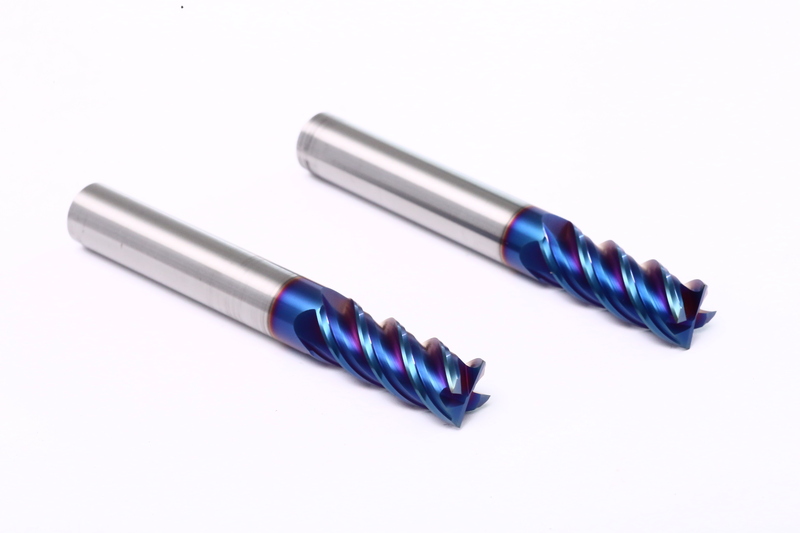
Superalloy Milling Cutter Supplier
1.Material and Coating: The Foundation of Specificity
Ordinary tungsten steel milling cutters cannot withstand the harsh machining environment of high-temperature alloys. The following should be selected:
– Base Material: Ultra-fine or extremely fine-grained cemented carbide to ensure a balance of high hardness and toughness.
– Coating Technology: PVD coatings (such as AlTiN, AlTiSiN) provide excellent high-temperature stability and wear resistance.
2.Professionalism in Geometric Structure Design
High-temperature alloy milling places special requirements on the geometric structure of the cutter:
– Edge Design: Sharp cutting edges combined with precise edge honing enhance chipping resistance.
– Helix Angle: Use a medium-to-large helix angle design of 35°–50° to ensure smooth chip evacuation.
– Groove Optimization: Special chip flute design to avoid chip entanglement and secondary cutting.
3.Machining Strategy for Inconel 718
When machining typical high-temperature alloys like Inconel 718:
– Rough Machining: It is recommended to use a 3–4 flute design with a large cutting depth to improve material removal rates.
– Finish Machining: Select multi-flute tools to ensure machining accuracy and surface quality.
– Cooling Method: High-pressure internal cooling is essential (recommended at 70 bar or above).
4.Key Factors in Supplier Selection
When selecting a tungsten steel milling cutter supplier, focus on:
– Whether they provide professional solutions for high-temperature alloy machining.
– Whether they offer comprehensive tool testing and technical support services.
– Whether they have successful cases in high-temperature alloy machining.
– Supply stability and the responsiveness of technical support.
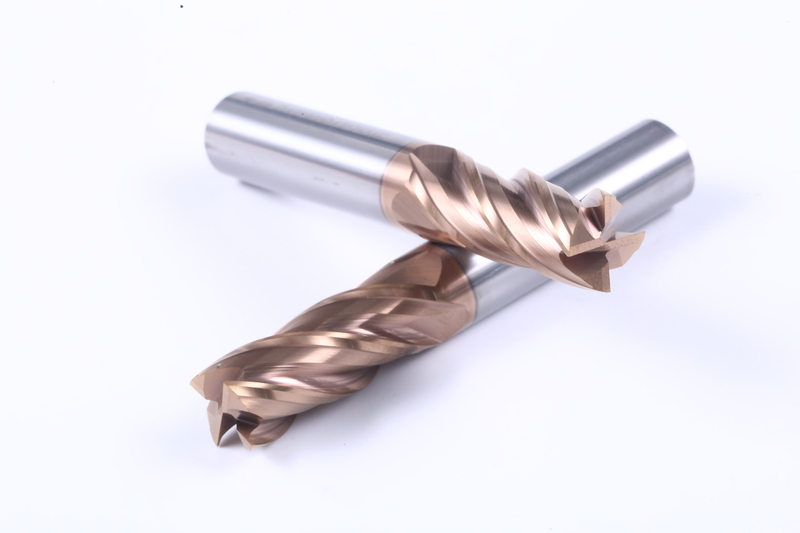
High-Temperature Alloy (Inconel) Milling Cutters
5.Machining Parameter Recommendations
– Speed: Use relatively low linear speeds.
– Feed Rate: Maintain a stable and moderate feed per tooth.
– Cutting Depth: Axial cutting depth can be appropriately increased, while radial cutting depth is recommended to use a small width-of-cut strategy.

Machining High-Temperature Alloys manufacturer
In actual machining, it is recommended to conduct trial cutting tests first. A qualified milling cutter for high-temperature alloys should demonstrate: stable tool life, good surface machining quality, and predictable wear patterns. Additionally, maintain close communication with the supplier to optimize parameters based on actual machining conditions.